

You are in a meeting when a colleague criticises your work in front of everyone. Or you come home tired, and a small disagreement turns into a heated argument. Words fly out, and a few minutes later you feel regret, heaviness, and a restless mind.
Almost everyone has been here. Life brings pressure, deadlines, and people who test our patience. We cannot always change the situation, but we can change how we respond to it.
That is the power of emotional self-control. It protects your peace of mind, strengthens your relationships, and helps you act with clarity instead of regret.
Table of Contents
What Is Emotional Self-Control?
Emotional self-control is not about suppressing your feelings or pretending everything is fine. Suppressed emotions only build pressure inside and often burst out later.
It is also not about reacting instantly. A reaction is automatic and fast, while a response is conscious and chosen.
Emotional self-control means feeling the emotion, recognising it, and choosing how to act with awareness. It is the space between what happens and what you do next. The wider that space becomes, the more peaceful and powerful you feel.
Why We Lose Control in Difficult Situations
Understanding the cause makes change easier. Here are the most common reasons we struggle to manage emotions:
- Stress and overload: A tired, overstretched mind has less patience and reacts faster.
- Expectations: We expect people to behave a certain way. When they don’t, we feel hurt or angry.
- Ego: When our opinion, position, or self-image feels threatened, we defend ourselves strongly.
- Past impressions: Old experiences and habits shape our reactions. A tone of voice may remind us of an old hurt, and we respond to the past, not the present.
- Lack of awareness: Often we don’t notice the emotion rising until it has already taken over.
The good news is that every one of these can be softened with practice.
“Peace is not the absence of difficult situations, but the presence of inner strength within them.”
8 Practical Ways to Develop Emotional Self-Control
1. Pause Before Reacting
The simplest and most powerful tool is a pause. Before you speak, take one slow breath and count to five.
Example: If an email upsets you, don’t reply immediately. Wait ten minutes, then respond. You will almost always write a calmer, wiser reply.
2. Build Self-Awareness and Observe Your Thoughts
Anger rarely arrives suddenly. It begins as a thought, such as “He doesn’t respect me.” Learn to notice such thoughts early.
Tip: Ask yourself, “What am I feeling right now, and what thought is behind it?” Naming the emotion reduces its intensity.
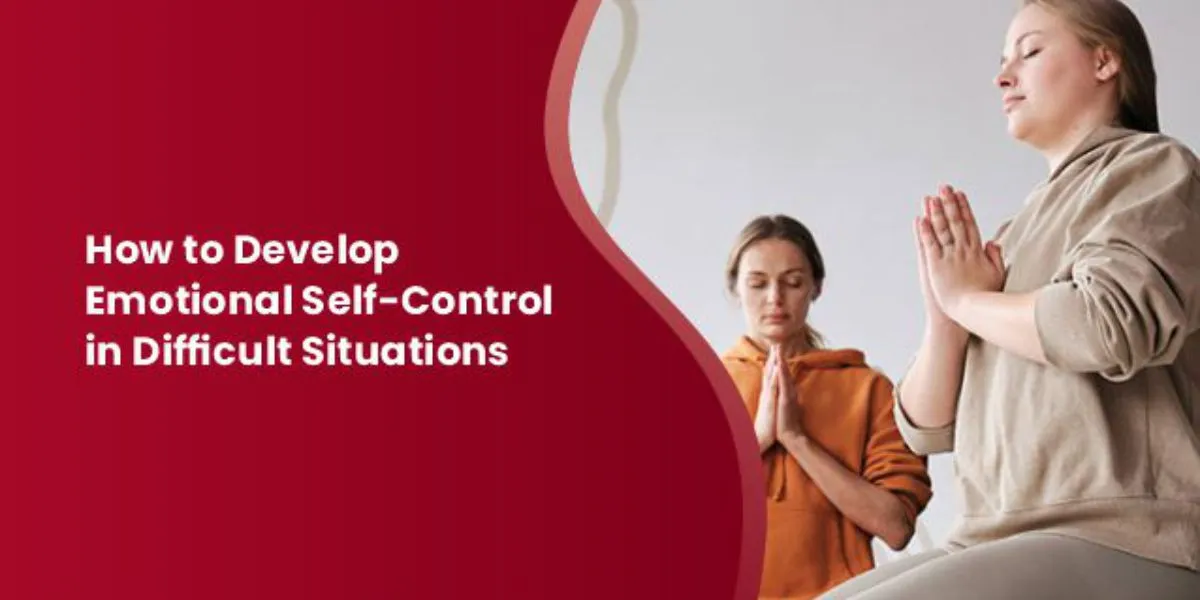
3. Practise Meditation and Rajyoga
Regular meditation trains the mind to stay steady. Rajyoga meditation, taught at Brahma Kumaris centres, is a simple, open-eyed practice that can be done anywhere, whether at home, in the office, or while travelling.
By focusing your thoughts on peace and positivity, you slowly build a calm inner base. Over time, difficult situations disturb you less because your inner foundation is stronger.
4. Think Soul-Consciously
We often identify with roles and labels such as employee, parent, or boss. When someone attacks that role, we feel attacked.
Soul-conscious thinking invites you to remember: “I am a peaceful being. The situation is outside; my peace is inside.” This shift creates healthy distance from the drama and helps you respond with dignity.
Example: During a tense conversation, silently remind yourself, “I am calm and peaceful. I choose my response.”
5. Use Positive Affirmations and Mindful Thoughts
The thoughts you repeat shape your mood. Replace “I can’t take this anymore” with a mindful alternative:
- “I can handle this calmly.”
- “Every situation is a chance to grow.”
- “I choose peace over reaction.”
Begin your morning with one or two such thoughts, and they will be ready when you need them.
6. Embrace Silence and Regular Quiet Time
A noisy world leaves the mind with little rest. Even 10 to 15 minutes of silence each day allows your thoughts to settle and your energy to recharge.
Tip: Switch off your phone for a few minutes, sit comfortably, and simply be. Silence is not empty. It restores inner peace.
7. Practise Detachment and Non-Judgment
Much of our anger comes from judging others as wrong, rude, or careless. Try seeing people as individuals acting from their own stress, habits, and limitations.
Detachment does not mean not caring. It means caring without being controlled by outcomes. When you stop trying to control everyone else, you gain control of yourself.
Example: If a family member speaks harshly, think, “They may be stressed today,” and let the words pass without taking them personally.
8. Follow a Healthy, Sattvic Lifestyle
Your body and mind are closely connected. A restless body makes for a restless mind.
- Sleep: Aim for regular, sufficient rest, as tired minds react quickly.
- Breathing: Slow, deep breaths calm the nervous system within moments.
- Sattvic routine: Light, fresh, simple meals, regular timings, and limited overstimulation (excess screens, noise, and negative media) support a peaceful mind.
Small daily habits create a strong foundation for emotional balance.
A Simple 5-Minute Daily Practice
You don’t need much time to begin. Try this short routine each morning or whenever you feel unsettled:
- Minute 1: Settle. Sit comfortably, close your eyes or keep them softly open, and take three slow breaths.
- Minute 2: Affirm. Silently repeat, “I am a peaceful soul. Peace is my original nature.”
- Minute 3: Visualise. Imagine a soft light of peace radiating from within you, filling your whole being.
- Minute 4: Prepare. Think of one situation in your day that may be challenging. See yourself responding calmly and kindly.
- Minute 5: Resolve. Make a gentle promise: “Today I will pause before I react.”
Practised daily, even this short routine builds steady inner strength.
Benefits of Emotional Self-Control
When you learn to control anger and manage emotions wisely, life begins to change in beautiful ways:
- Better relationships: Calm communication builds trust, respect, and closeness.
- Greater clarity: A peaceful mind makes better decisions, at work and at home.
- Improved well-being: Less stress and fewer emotional outbursts support a lighter, more relaxed state of mind.
- Inner strength: You stop being shaken by every comment or circumstance and become steady from within.
Learn Meditation at BK Gurugram Meditation Centre
If you would like guidance on this journey, BK Gurugram Meditation Centre offers a welcoming and peaceful space to learn Rajyoga meditation. Courses are free of pressure and open to everyone, regardless of age, background, or belief.
Visitors can expect:
- Guided meditation sessions suited to beginners
- Practical guidance on stress and anger management
- A calm, supportive environment where you can relax and reflect
Whether you are a student, a working professional, or a homemaker, BK Gurugram Meditation Centre can help you build the inner peace that every difficult situation calls for.
Conclusion
Emotional self-control is not a gift reserved for a few. It is a skill that grows with awareness, meditation, and patience. Each time you pause, breathe, and choose a peaceful response, you strengthen your inner power.
You cannot control every situation, but you can always choose your response. Begin with five minutes today, and let peace become your habit.
Explore meditation courses at BK Gurugram Meditation Centre and discover the calm, confident person within you.